
Dental Bridges in Arlington
Restore missing teeth with a dental bridge designed to improve function, appearance, and the continuity of your smile.

Dr. Pablo Velastegui
Lead Cosmetic Dentist
Restore Your Smile After Tooth Loss
Missing teeth can affect your ability to chew, the appearance of your smile, and the position of surrounding teeth. A dental bridge replaces missing teeth with a fixed restoration designed to
restore function and create a natural-looking result.
Designed for Function. Crafted to Look Natural.
A well-designed dental bridge should do more than fill an empty space. We carefully consider tooth shape, proportion, color, contours, and bite when designing your restoration so it complements the surrounding teeth and feels natural within your smile.
How It Works?
STEP 1
Tooth Preparation
STEP 2
Digital Scan & Custom Design
STEP 3
Fitting & Final Placement
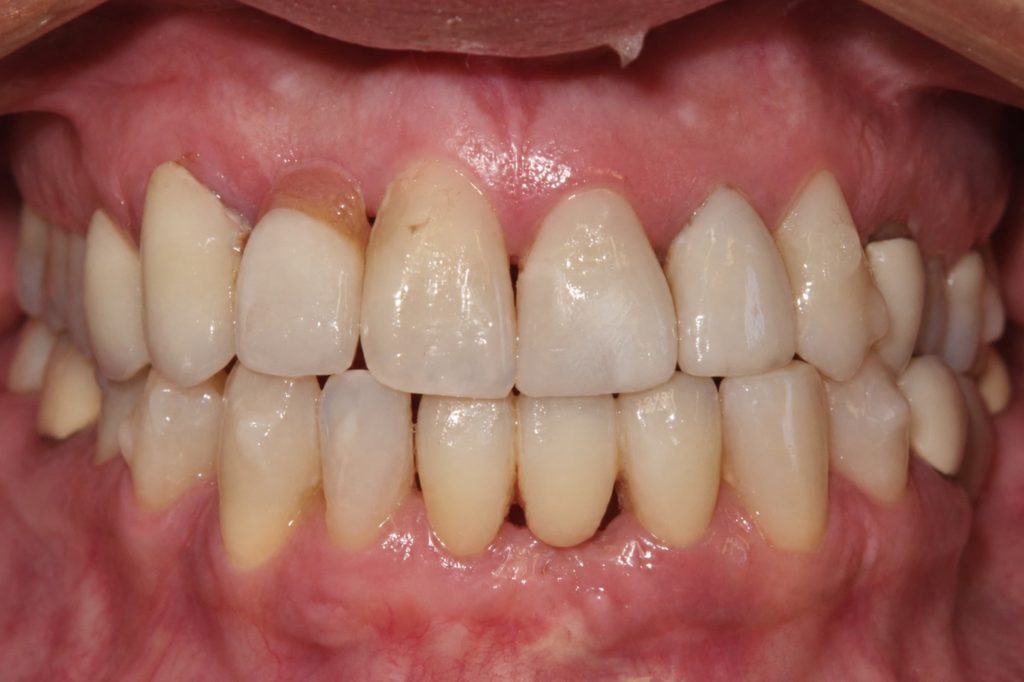
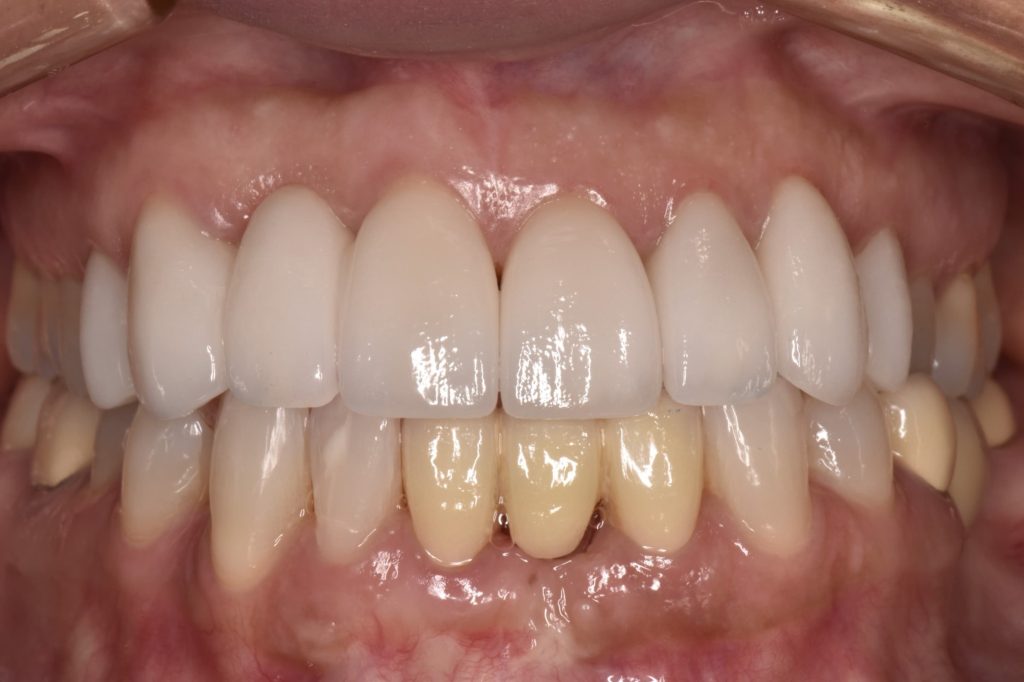
Before & After
Case of a five unit-bridge, two crowns and a dental implant
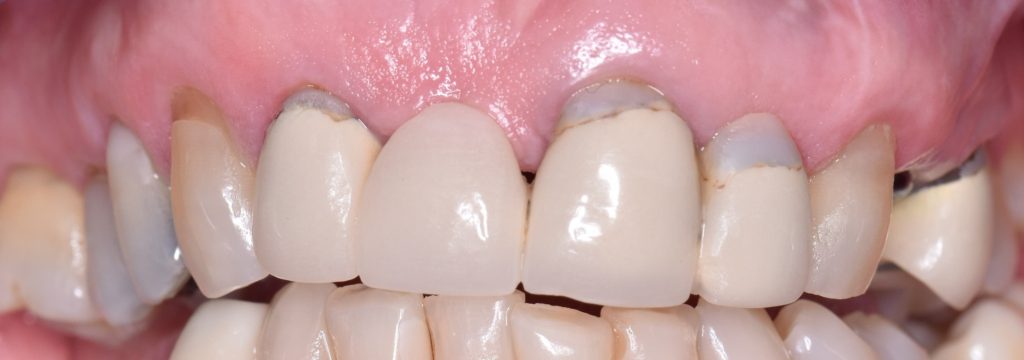
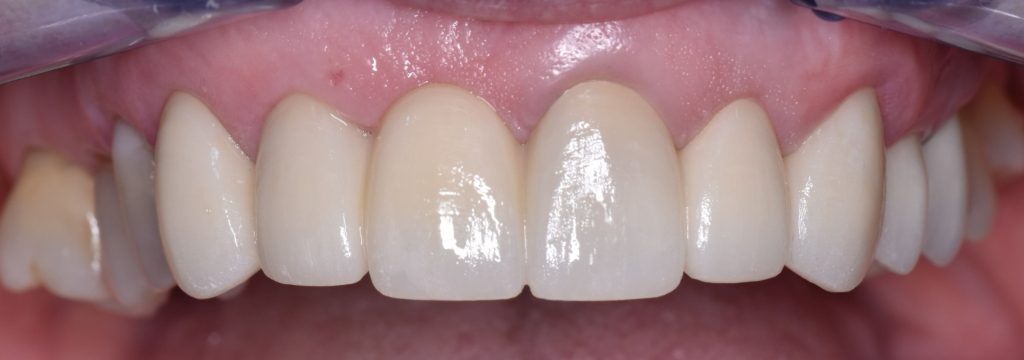
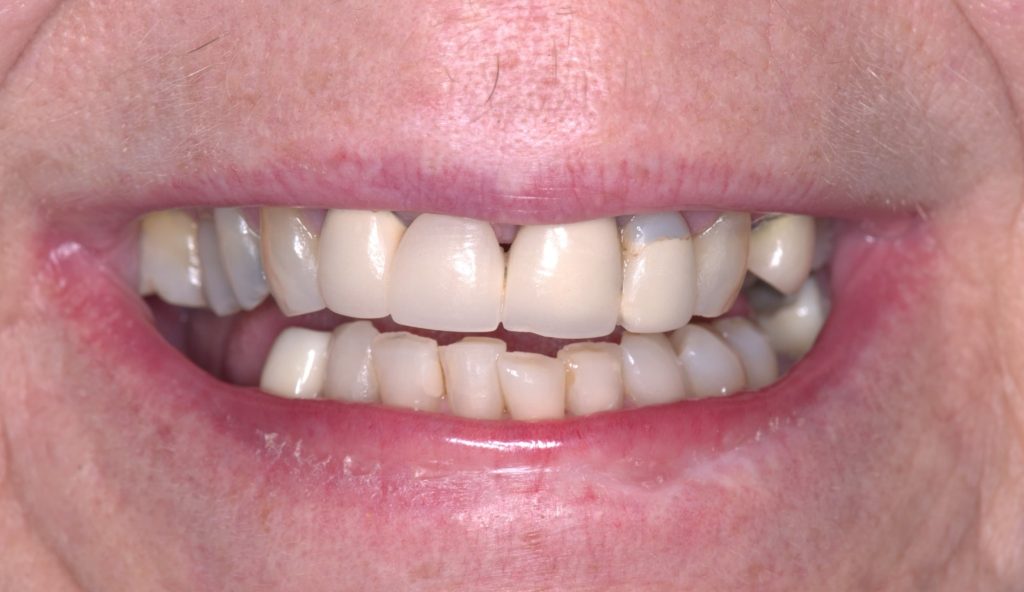
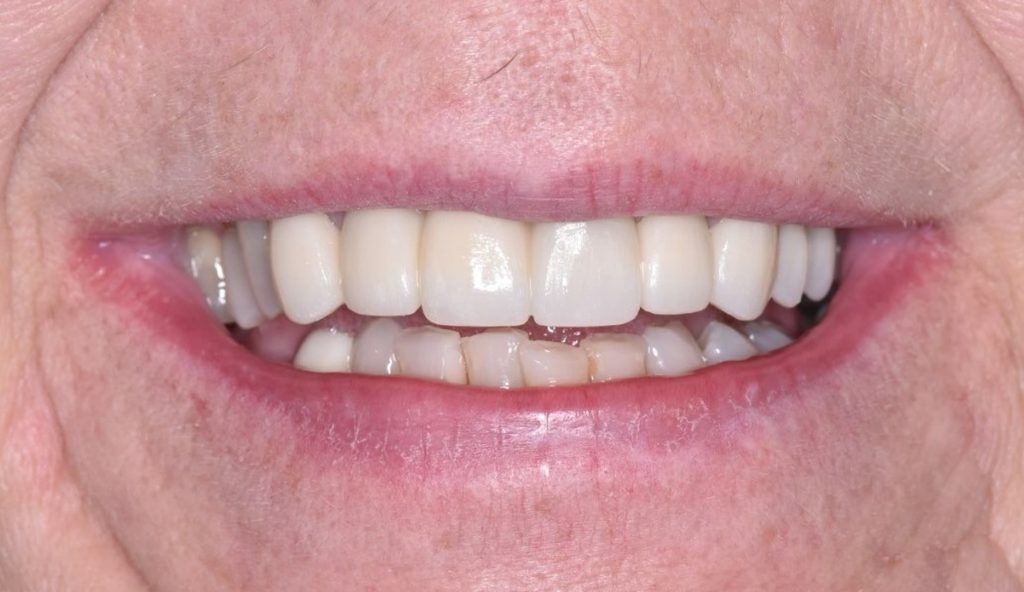
Case of a three-unit bridge and five crowns
FAQ Section
What Are the Steps for Getting a Dental Bridge?
STEP 1 — Tooth Preparation
The supporting teeth are carefully prepared to create the space needed for your custom bridge.
STEP 2 — Digital Scan & Custom Design
A precise digital scan captures your teeth and bite. Your bridge is then custom-designed with
attention to fit, function, tooth shape, and appearance.
STEP 3 — Fitting & Final Placement
Once your bridge is ready, we carefully evaluate its fit, bite, and appearance before securely
bonding it into place.
What is the difference between a dental bridge and a dental implant?
Both can replace missing teeth, but they work differently. A traditional dental bridge uses neighboring teeth for support, while a dental implant replaces the missing tooth root and supports a restoration without relying on adjacent teeth. The best option depends on your oral health, bone support, condition of the neighboring teeth, and treatment goals.
How long does a dental bridge last?
A well-maintained dental bridge can last many years. Its longevity depends on factors such as oral hygiene, the health of the supporting teeth and gums, bite forces, and regular dental care. Routine dental exams allow us to monitor the bridge and the teeth supporting it.
How do I clean under a dental bridge?
Because the replacement tooth in a traditional bridge is connected to the neighboring restorations, cleaning underneath it requires special attention. Floss threaders, interdental brushes, or a water flosser can help remove plaque and food debris beneath the bridge. Our dental team can show you the cleaning technique that works best for your restoration.
Am I a good candidate for a dental bridge?
You may be a candidate for a dental bridge if you are missing one or more teeth and have healthy supporting teeth and gums. A comprehensive evaluation allows us to assess your oral health, bite, and surrounding teeth and determine whether a bridge, dental implant, or another tooth-replacement option is appropriate for you.
FAQ Section
What is the difference between a dental bridge and a dental implant?
Both can replace missing teeth, but they work differently. A traditional dental bridge
uses neighboring teeth for support, while a dental implant replaces the missing tooth
root with an implant that supports a restoration. The best option depends on your oral
health, bone support, neighboring teeth, and treatment goals.
How long does a dental bridge last?
A well-maintained dental bridge can last many years. Longevity depends on oral
hygiene, the health of the supporting teeth and gums, bite forces, and regular
professional dental care.
How do I clean under a dental bridge?
Because the replacement tooth in a traditional bridge is connected to neighboring
restorations, cleaning underneath it requires special attention. Floss threaders,
interdental brushes, or a water flosser may help remove plaque and food beneath the
bridge. Our dental team can demonstrate the technique that works best for your
restoration.
Am I a good candidate for a dental bridge?
You may be a candidate if you are missing one or more teeth and have healthy teeth,
gums, and adequate support around the area. A comprehensive evaluation can
determine whether a bridge, dental implant, or another tooth-replacement option is
most appropriate.

