
Gentle Tooth Extractions in Arlington
Simple and surgical extractions performed with atraumatic techniques designed to minimize discomfort, preserve surrounding tissues, and support a smooth healing process.

Dr. Pablo Velastegui
Lead Cosmetic Dentist
When a Tooth Can No Longer Be Saved
Whenever possible, preserving your natural tooth is our priority. When a tooth is severely damaged, fractured, infected, or can no longer be predictably restored, an extraction may be recommended to protect your oral health.
Preserving Bone for Future Treatment
We use atraumatic extraction techniques designed to minimize trauma and preserve the surrounding bone and gum tissue. When appropriate, bone grafting is performed at the time of extraction to help maintain the shape and volume of the jawbone and prepare the area for a future dental implant.
How It Works?
STEP 1
Examination & Digital Imaging
STEP 2
Comfort & Anesthesia
STEP 3
Gentle Tooth Removal
STEP 3
Bone Grafting
Before & After
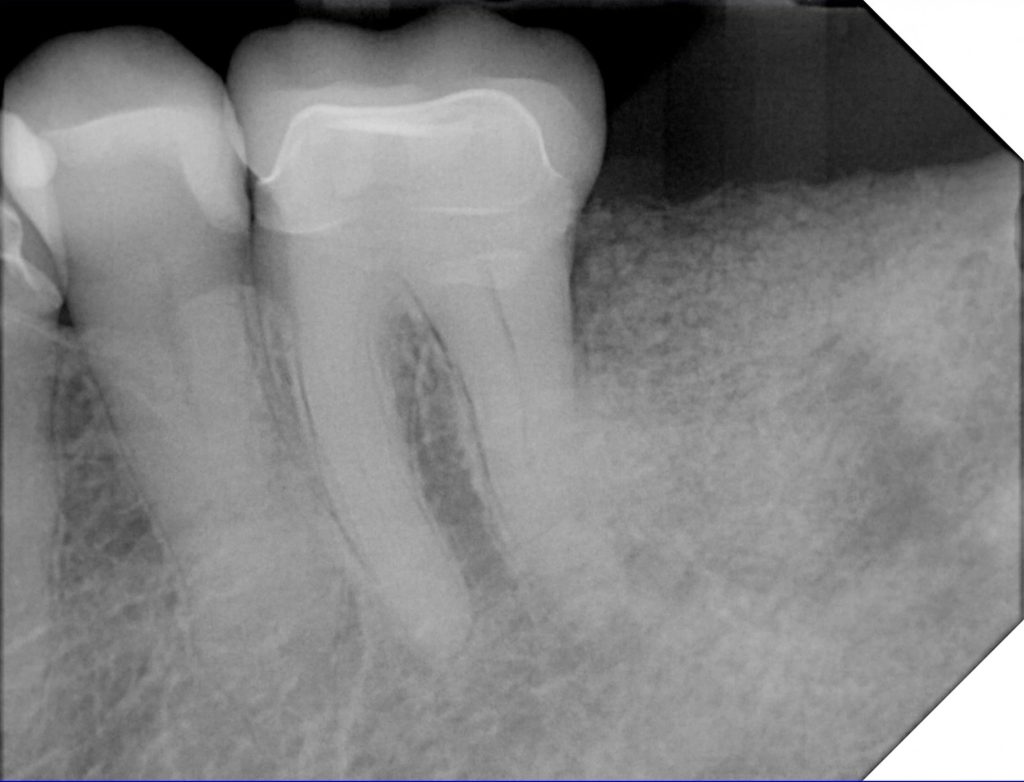
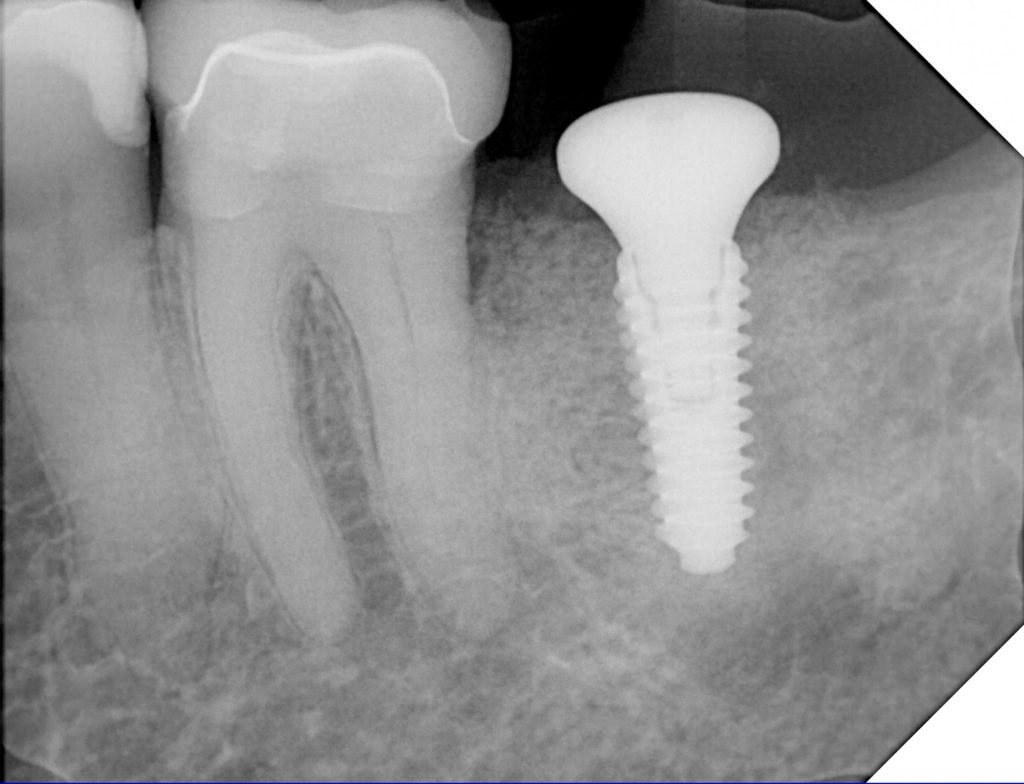
Case of root fracture, extraction with bone graft and replacement with dental implant.
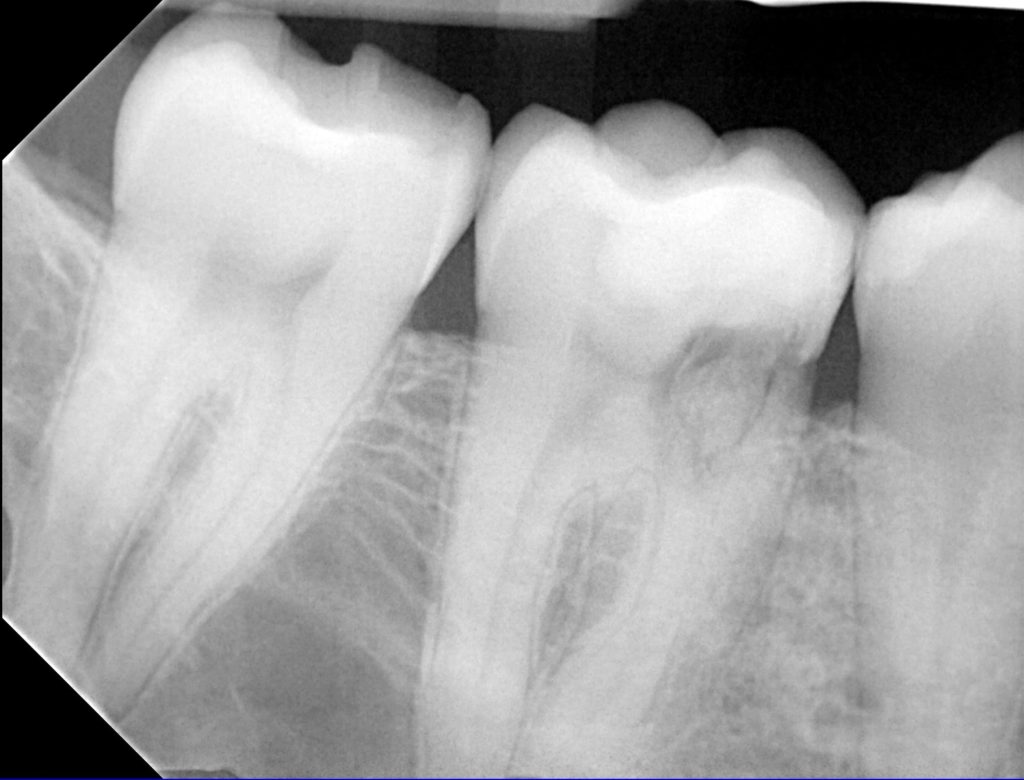
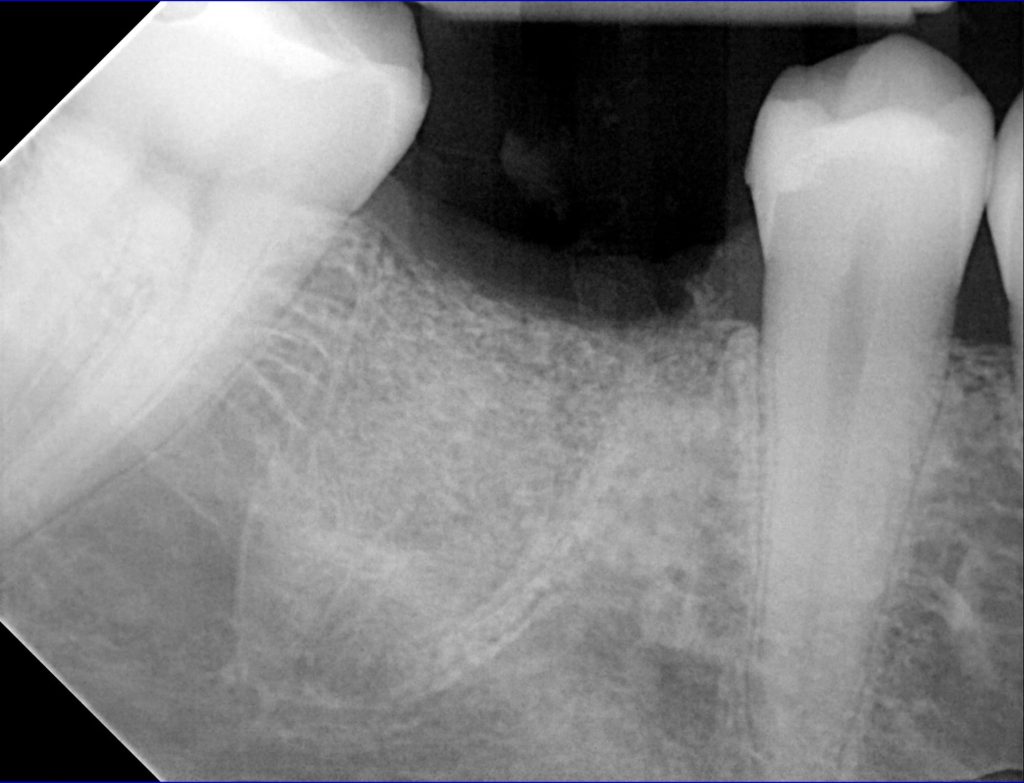
Case of resorption, extraction with bone graft and replacement with dental implant.
FAQ Section
What Are the Steps for Tooth Extraction and Bone Grafting?
STEP 1 — Examination & Digital Imaging
We carefully evaluate the tooth and surrounding structures using digital X-rays and, when appropriate, 3D imaging to understand the tooth’s position, roots, and surrounding anatomy.
STEP 2 — Comfort & Anesthesia
The treatment area is thoroughly numbed with local anesthesia to keep you comfortable throughout the procedure. Additional comfort options may be discussed when appropriate.
STEP 3 — Gentle Tooth Removal
The tooth is carefully removed using atraumatic techniques designed to minimize trauma and preserve the surrounding bone and soft tissue.
STEP 4 — Bone Grafting
When indicated, bone grafting may be performed at the time of extraction to help preserve the shape and volume of the jawbone and support future tooth-replacement options, including
dental implants.
What Is Bone Grafting?
Bone grafting is a procedure used to help preserve or rebuild bone in areas where a tooth has been removed. After an extraction, grafting material may be placed into the socket to help
maintain the shape and volume of the jawbone as it heals. This can help preserve the area for future tooth-replacement options, including dental implants.
Does a tooth extraction hurt?
Local anesthesia is used to thoroughly numb the treatment area and keep you comfortable during the extraction. You may feel pressure during the procedure, and some soreness or
swelling afterward is normal. Following your postoperative instructions and recommended pain management can help make recovery more comfortable.
What is the recovery time after a tooth extraction?
Initial healing typically occurs over the first several days, although recovery varies depending on the tooth, complexity of the extraction, and individual healing. Following your postoperative instructions is important to support proper healing and reduce the risk of complications.
How soon can I replace an extracted tooth?
The timing depends on the condition of the extraction site, bone and gum health, presence of infection, and the type of tooth replacement planned. In some situations, replacement treatment may begin at the time of extraction; in others, a period of healing may be recommended first. We can develop a personalized plan for a dental implant, bridge, or other
appropriate tooth-replacement option.
When does a tooth need to be extracted instead of saved?
Extraction may be recommended when a tooth is severely damaged, fractured, infected, affected by advanced periodontal disease, or cannot be predictably restored. Whenever possible, preserving your natural tooth is our priority, and extraction is recommended when it
is considered the most appropriate option for your oral health.
FAQ Section
Does a tooth extraction hurt?
Local anesthesia is used to numb the treatment area and minimize discomfort during a
tooth extraction. Patients may feel pressure during the procedure, and some soreness
or swelling afterward is normal. Post-treatment instructions and appropriate pain
management can help make recovery more comfortable.
What is the recovery time after a tooth extraction?
Initial healing usually occurs over the first several days, although recovery varies
depending on the tooth, complexity of the extraction, and individual healing. Following
your dentist’s postoperative instructions is important for proper healing.
How soon can I replace an extracted tooth?
The timing depends on the condition of the extraction site, bone and gum health,
presence of infection, and the type of replacement planned. In some situations,
replacement treatment can begin immediately; in others, healing is recommended
first. Your dentist can develop a personalized plan for an implant, bridge, or other
restoration.
When does a tooth need to be extracted instead of saved?
Extraction may be considered when a tooth is severely damaged, fractured, infected,
affected by advanced periodontal disease, or cannot be predictably restored.
Whenever possible, preserving the natural tooth is considered before recommending
removal.

