
Natural-Looking Dental Fillings in Arlington
Restore decayed or damaged teeth with tooth-colored composite restorations carefully designed to recreate natural form, function, and appearance.

Dr. Pablo Velastegui
Lead Cosmetic Dentist
A Conservative Approach to Restoring Your Teeth
When decay or damage affects a tooth, a composite filling can restore its strength, function,
and appearance while preserving as much healthy tooth structure as possible.
Restoring More Than Just the Tooth
A filling shouldn't simply fill a cavity. Each composite restoration is carefully shaped and sculpted to recreate the natural contours, anatomy, and function of the tooth. Attention to these details helps the restoration blend naturally with your smile while supporting a comfortable, functional bite.
How It Works?
STEP 1
Comfort & Preparation
STEP 2
Remove Decay & Preserve Healthy Tooth Structure
STEP 3
Sculpt & Polish the Restoration
Before & After
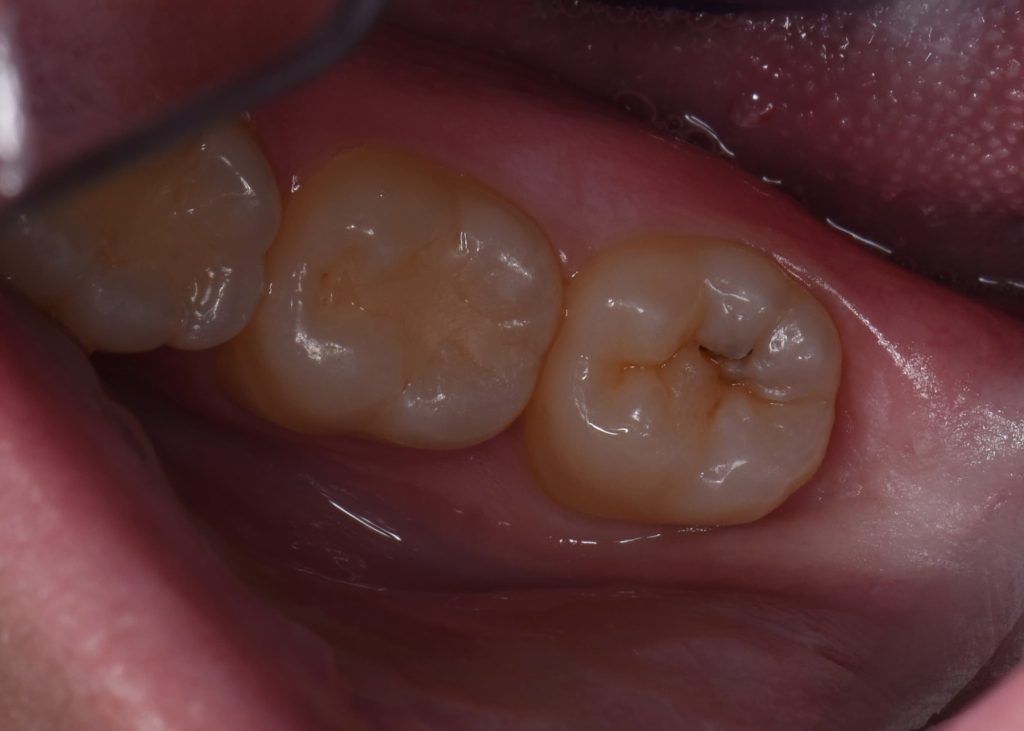
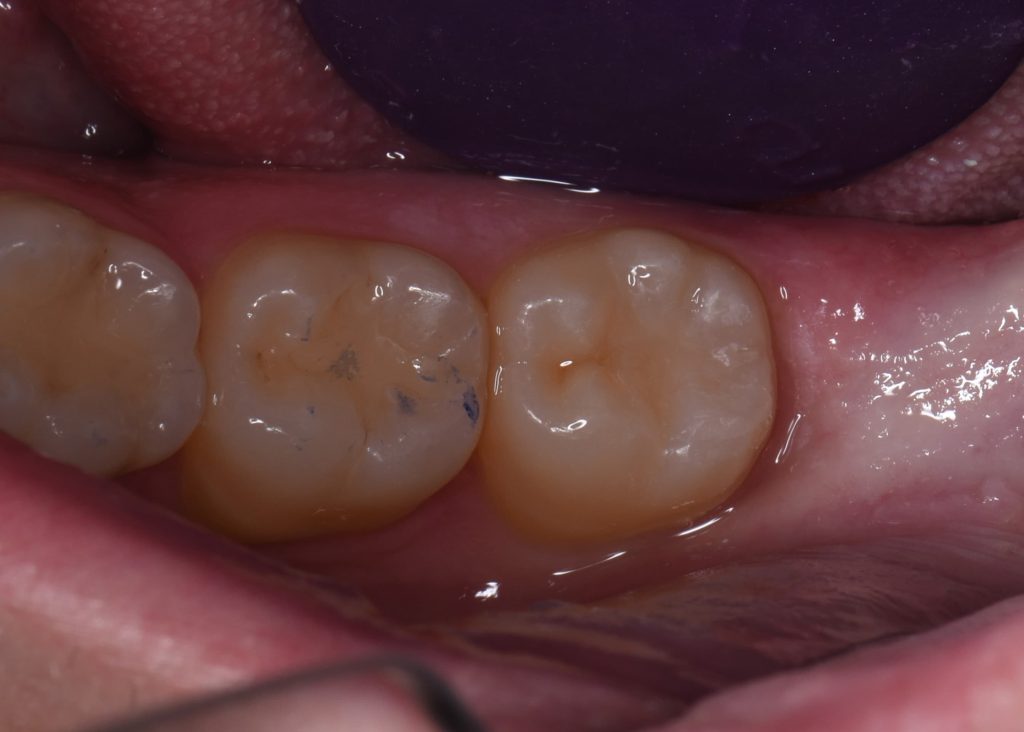
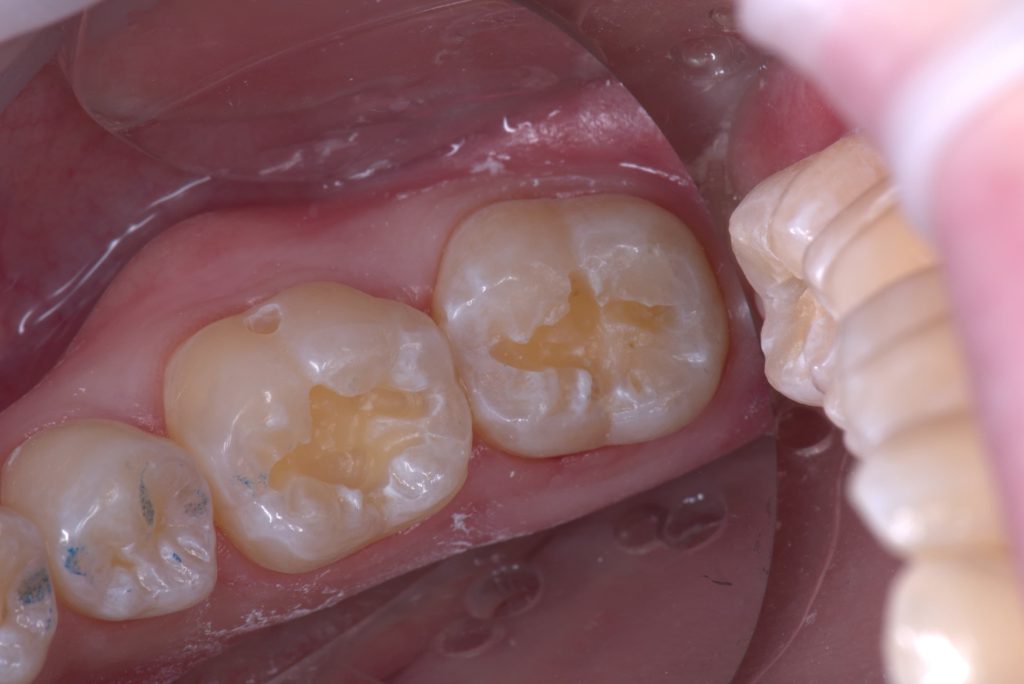
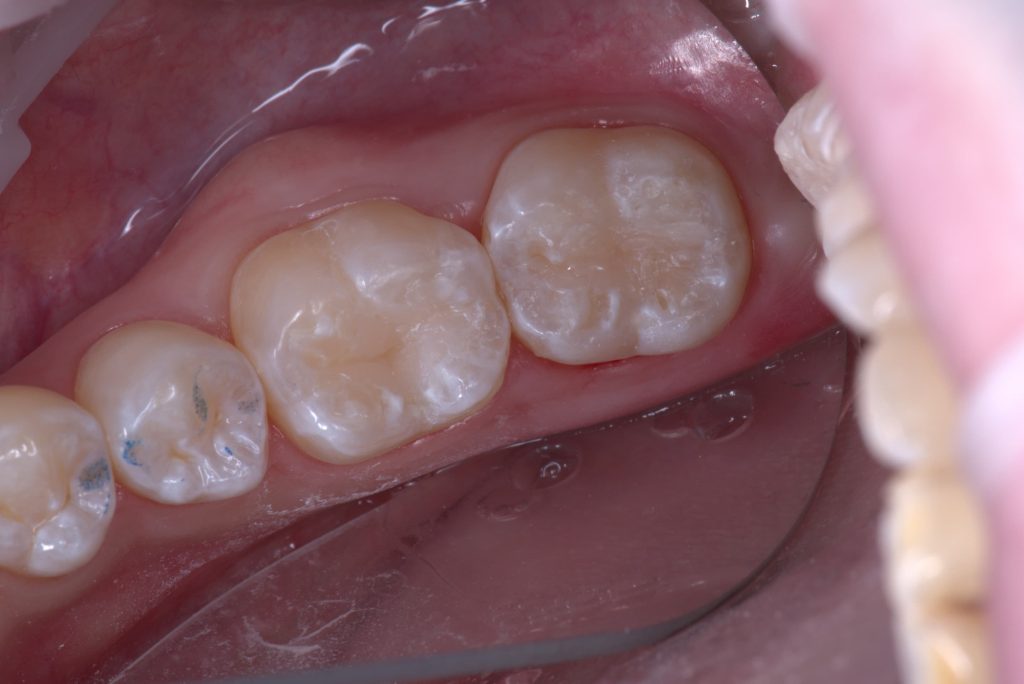
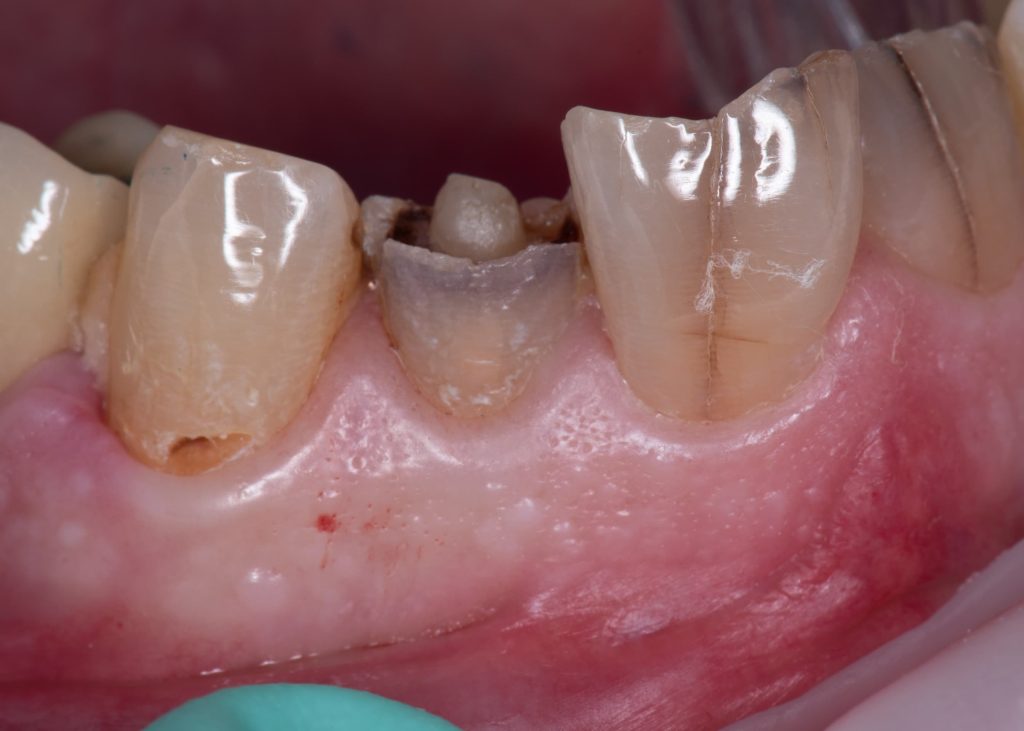
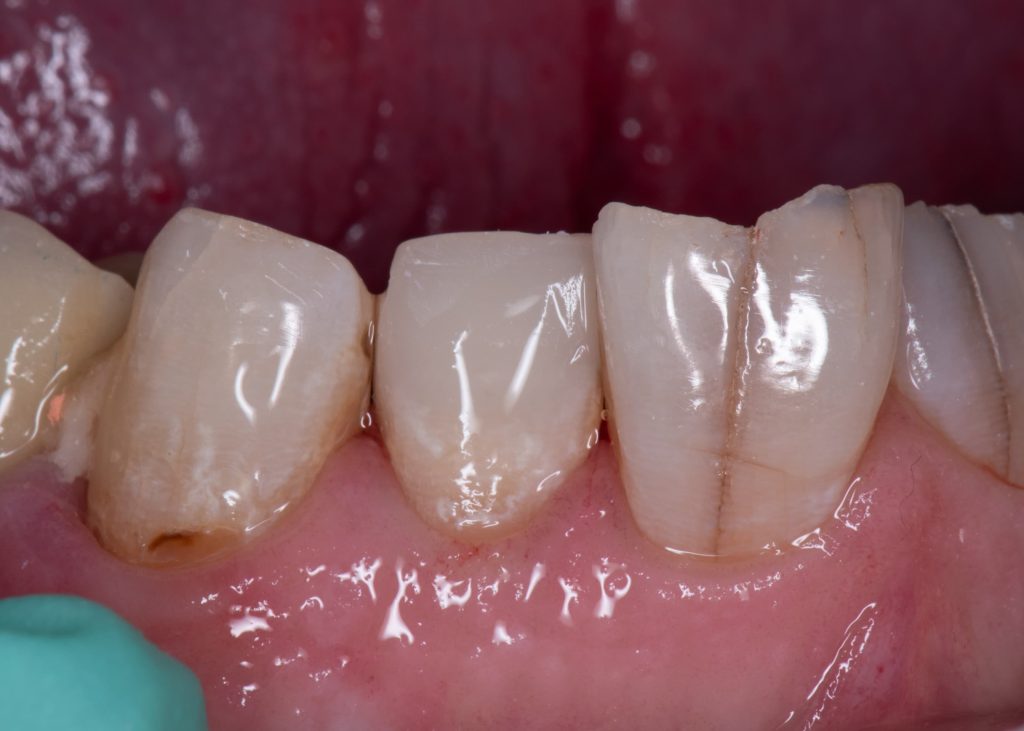
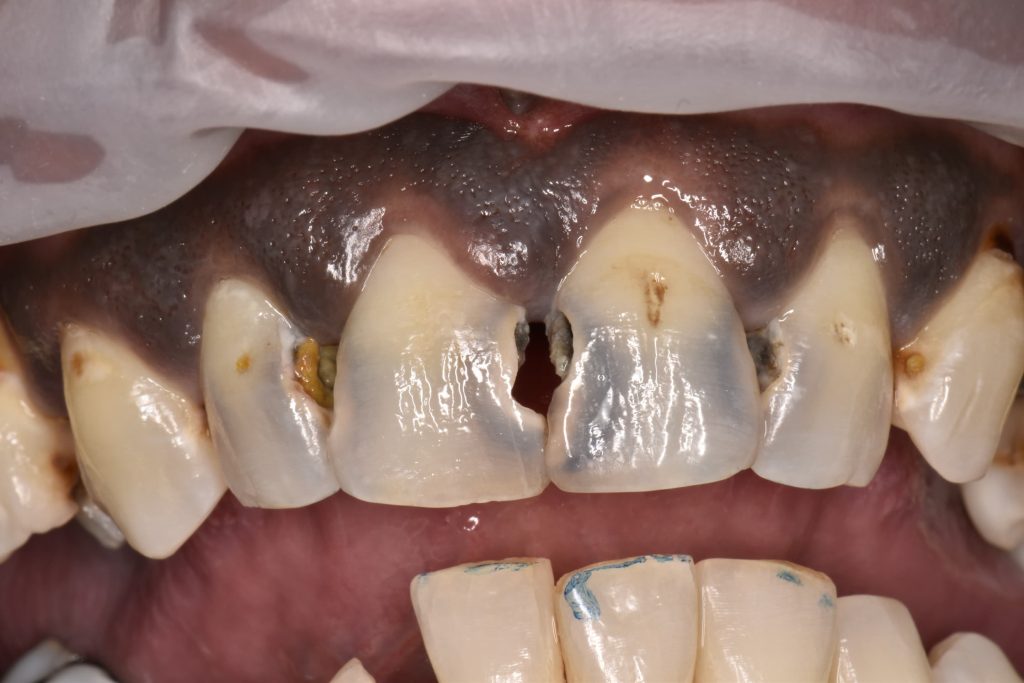
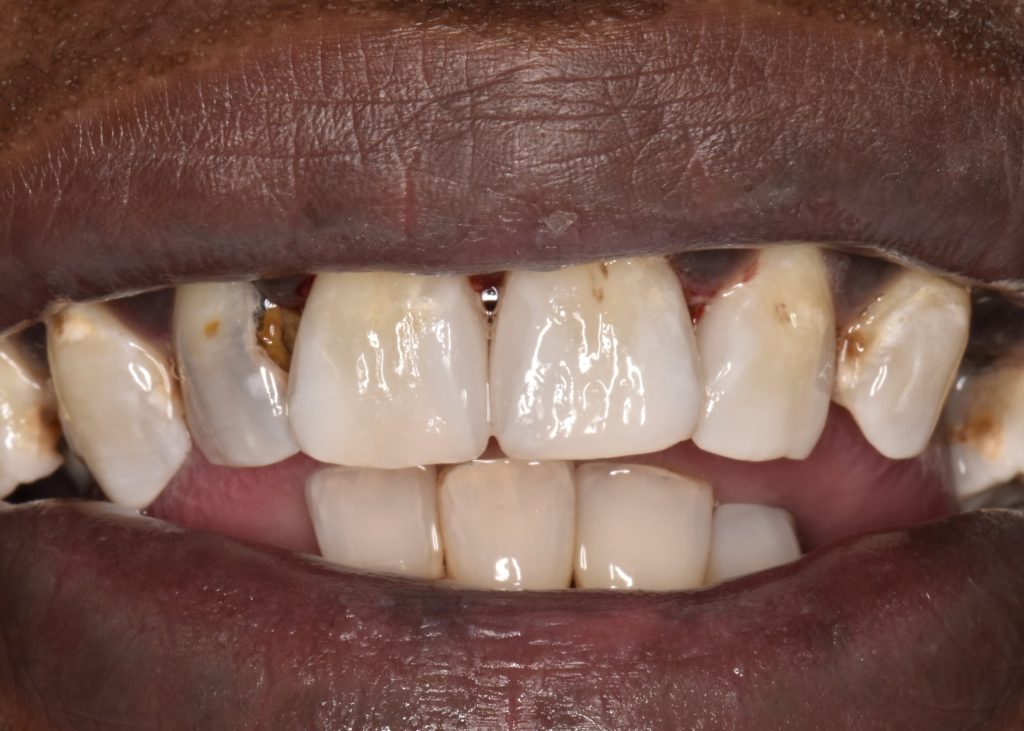
FAQ Section
What are the steps for getting a dental filling?
STEP 1 — Comfort & Preparation
The treatment area is gently numbed with local anesthesia, and the tooth is carefully prepared for treatment.
STEP 2 — Remove Decay & Preserve Healthy Tooth Structure
Decay or damaged tooth structure is carefully removed while preserving as much healthy enamel and dentin as possible.
STEP 3 — Sculpt & Polish the Restoration
Tooth-colored composite is placed, shaped, and polished to restore the tooth’s natural contours, function, and appearance.
Do composite fillings look natural?
Yes. Tooth-colored composite fillings are designed to closely blend with the natural shade of your teeth, making them much less noticeable than traditional metal fillings. They can restore areas affected by decay or damage while maintaining a natural-looking appearance.
How long do tooth-colored fillings last?
Composite fillings can provide many years of service, but their lifespan varies depending on the size and location of the restoration, your bite, oral hygiene, diet, and habits such as teeth grinding. Regular dental exams allow us to monitor your restorations and identify signs of wear or damage.
Does getting a dental filling hurt?
Dental fillings are performed with local anesthesia to keep you comfortable during the procedure. Some patients may experience temporary sensitivity afterward, particularly to temperature or pressure, but this typically improves as the tooth adjusts to the new restoration.
How do I know if I need a filling?
A filling may be recommended when a tooth has decay, a small fracture, wear, or another area of damage that can be restored without requiring a larger restoration, such as a crown. Because cavities do not always cause noticeable symptoms, dental exams and X-rays can help identify problems before they become more extensive.
FAQ Section
Do composite fillings look natural?
Yes. Tooth-colored composite fillings are designed to blend with the natural shade of
your teeth, making them much less noticeable than traditional metal fillings. They can
restore areas affected by decay or damage while maintaining a natural-looking smile.
How long do tooth-colored fillings last?
Composite fillings can provide many years of service, but their lifespan varies
depending on the size and location of the filling, your bite, oral hygiene, diet, and habits
such as teeth grinding. Regular dental exams allow us to monitor your restorations and
identify wear or damage early.
Does getting a dental filling hurt?
Dental fillings are performed with local anesthesia to keep the procedure comfortable.
Some patients may experience temporary sensitivity afterward, but most patients
experience little to no discomfort during or after the procedure.
How do I know if I need a filling?
A filling may be recommended when a tooth has decay, a small fracture, wear, or
another area that can be restored without requiring a larger restoration such as a
crown. Because cavities do not always cause symptoms, dental exams and X-rays can
help detect problems before they become painful.

