
Transform Your Smile with Cosmetic Dental Bonding
A conservative, artistic approach to correcting chips, gaps, uneven edges, and minor imperfections.

Dr. Pablo Velastegui
Lead Cosmetic Dentist
Small Details Can Make a Big Difference
Small chips, gaps, uneven edges, discoloration, or irregular tooth shapes can affect the overall
harmony of your smile. Cosmetic bonding offers a conservative way to refine these
imperfections while preserving your natural tooth structure.
How It Works?
STEP 1
Shade Matching & Preparation
STEP 2
Artistic Resin Sculpting
STEP 3
Finishing & Polishing
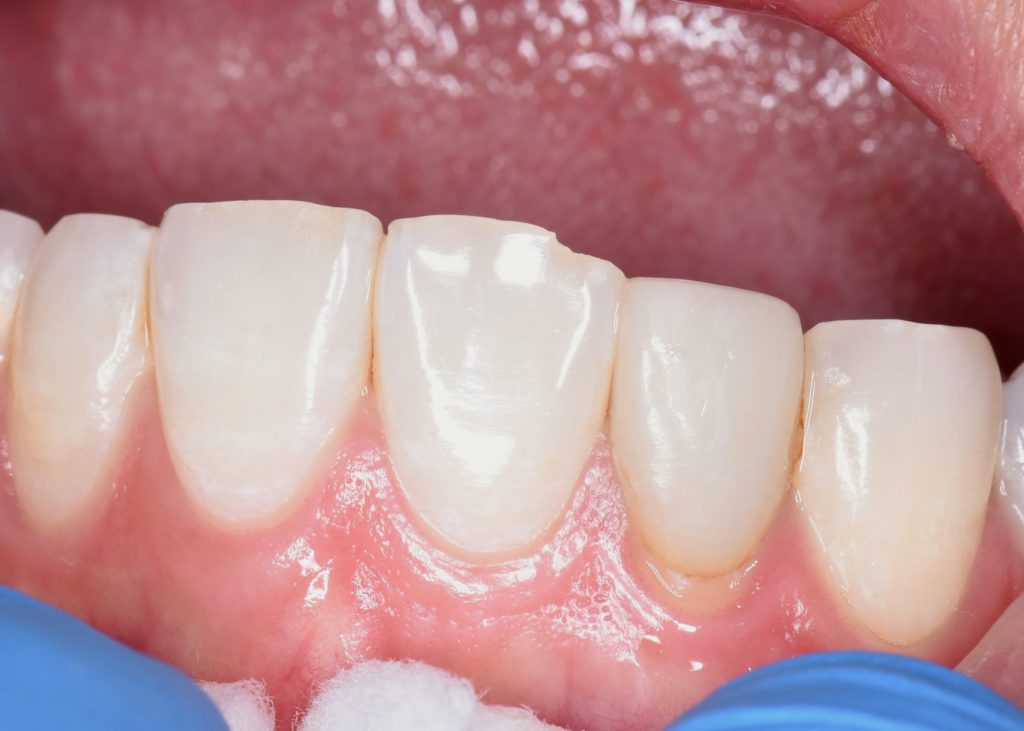
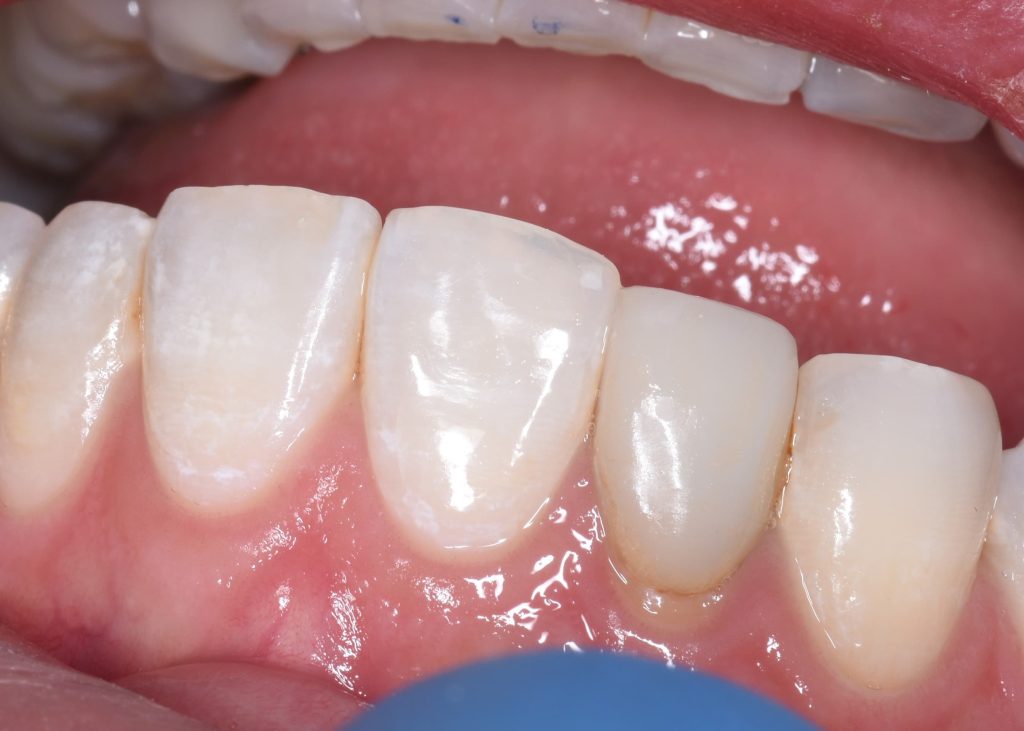
Before & After
Cosmetic Bonding Before and After
FAQ Section
What Are the Steps for Cosmetic Bonding?
STEP 1 — Shade Selection & Preparation
We carefully select a composite shade that blends naturally with your teeth and prepare the
tooth while preserving as much healthy enamel as possible.
STEP 2 — Artistic Sculpting
Composite resin is applied in layers and meticulously shaped to improve the tooth’s contours,
proportions, and overall appearance.
STEP 3 — Finishing & Polishing
The bonding is carefully refined and polished to create a smooth, natural-looking finish that
complements the surrounding teeth.
What Is Cosmetic Bonding?
Cosmetic bonding is a conservative cosmetic treatment that uses tooth-colored composite resin to reshape and refine the appearance of your teeth. The material is carefully applied and sculpted directly onto the tooth to create a natural-looking result that complements your smile.
How long does cosmetic bonding last?
Cosmetic bonding can last several years, but its longevity varies depending on the location of the bonding, bite forces, oral hygiene, diet, and habits such as nail biting, chewing ice, or teeth grinding. Bonding may occasionally need polishing, repair, or replacement over time.
Does cosmetic bonding damage natural teeth?
Cosmetic bonding is generally a conservative treatment and usually requires little or no removal of healthy enamel. The amount of preparation depends on the tooth and the correction being made, with the goal of preserving as much healthy tooth structure as possible.
What dental problems can cosmetic bonding fix?
Cosmetic bonding can be used to improve small chips, minor gaps, uneven edges, discoloration,
and certain irregularities in tooth shape or size. A cosmetic evaluation can help determine whether bonding is appropriate for your specific concerns and treatment goals.
What is the difference between cosmetic bonding and porcelain veneers?
Cosmetic bonding uses tooth-colored composite resin that is applied and shaped directly on the tooth. Porcelain veneers are custom-made ceramic restorations that are bonded to the front surface of the teeth.
Bonding is generally more conservative and can often be completed in a single visit, while
porcelain veneers may offer greater stain resistance and longevity in appropriate cases. The best option depends on your teeth, bite, aesthetic goals, and the type of changes you would like to make.
FAQ Section
How long does composite bonding last?
Dental bonding can last several years, but longevity varies with the location of the
bonding, bite forces, oral hygiene, diet, and habits such as nail biting, chewing ice, or
teeth grinding. Bonding may occasionally need polishing, repair, or replacement over
time.
Does dental bonding damage natural teeth?
Dental bonding is generally a conservative cosmetic treatment and usually requires
little or no removal of healthy enamel. The exact preparation depends on the tooth and
the correction being made.
What dental problems can bonding fix?
Cosmetic bonding can be used to improve small chips, minor gaps, uneven edges,
discoloration, and certain irregularities in tooth shape or size. A cosmetic evaluation can
determine whether bonding will provide a predictable result for your specific concern.
What is the difference between dental bonding and porcelain veneers?
Bonding uses tooth-colored composite resin that is shaped directly on the tooth.
Porcelain veneers are custom-made ceramic restorations placed over the front surface
of the teeth. Bonding is generally more conservative and completed in one visit, while
veneers offer superior stain resistance and long-term durability for comprehensive
smile makeovers.

